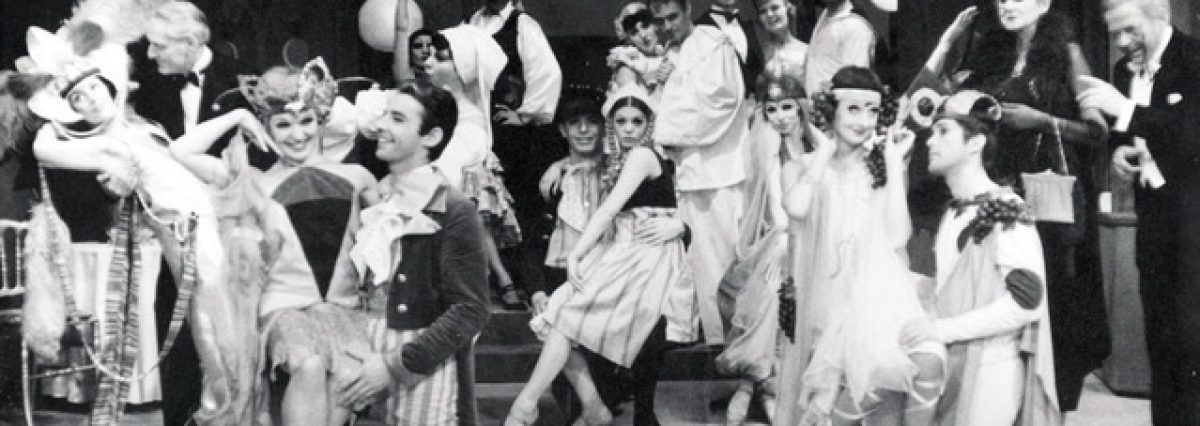
The 85-minute documentary film The Colleano Heart premiered at the Adelaide Film Festival in October 2025. It traces the career of an Aboriginal circus family, the Colleano family, and draws attention to the influence of identity, place, accidents, luck, imagination and persistence in our lives. “This film will stun you” wrote Lenny Ann Low in her review of the film (The Colleano Heart review: An Aboriginal circus act loved by Hitler? This new doco will stun you)
The Colleano Heart is now available at SBS on Demand.
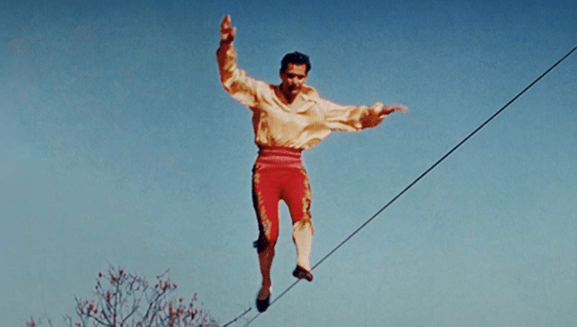
It is of special interest to the PAHN committee because our Treasurer, Mark St Leon, was deeply involved with the production of the film as its originator, an archival resource, the historical consultant and an investor. The life and career of the most famous of the Colleano family – the tightwire artiste, Con Colleano, – “The Wizard of the Wire” – has already been celebrated on the pages of Mark’s Australian circus history books. A short biography of Con Colleano is available on Mark’s website, The Penny Gaff (Colleano, Con – PennyGaff)
PAHN’s next annual conference, to be held in Sydney later in 2026, will include a session on the theme “Making History” where Mark will outline the luck, challenges, obstacles, misfortune, fortitude and serendipity involved – over some 40 years – in getting The Colleano Heart onto the big screen. Mark will be joined by others on making histories through exhibitions, websites, publications, films and oral histories. We will publish more details in the coming months.
The PAHN committee welcomes all PAHN members and other interested people to attend our 2024 AGM
Following the AGM, Liz Larkin, the AusStage Manager, will walk us through the elements of the AusStage website and its database and demonstrate data entry and export functions. https://www.ausstage.edu.au/pages/browse/
Date:
Wednesday 27 November 2024
Time:
3pm -5 pm AEDT
2pm-4pm (Qld)
2.30pm-4.30pm (SA)
12pm-2pm (WA)
Zoom meeting link for the AGM and AusStage presentation will be sent with all RSVP emails.
We encourage nominations for the following positions on the PAHN Committee:
• Chair
• Deputy Chair
• Treasurer
• Secretary
• 4 ordinary committee positions
Please confirm your attendance or send your apology to the PAHN secretary Paul Bentley, pgbentley101@gmail.com by 5pm Monday 25 November 2024. If you would like to nominate for one of the positions, please send your nomination to Paul with the following information:
• Your name and institutional affiliation (if applicable)
The Performing Arts Heritage Network joins an industry across Australia in mourning the loss of Frank Van Straten AM, who died on 19 April 2024.
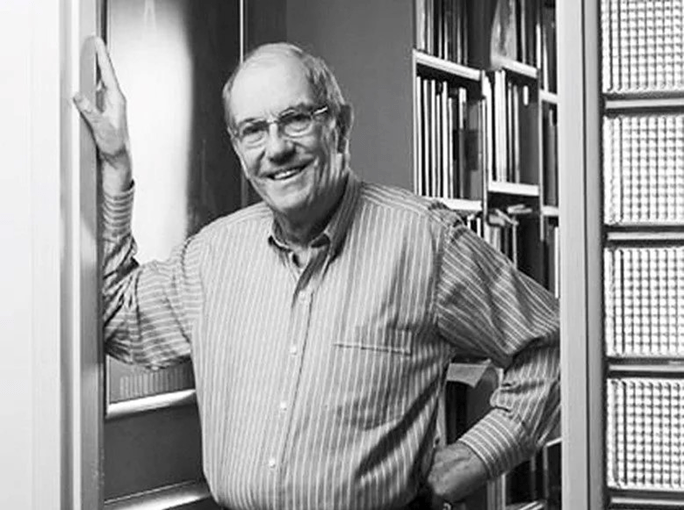
Frank was the first archivist at Arts Centre Melbourne’s Performing Arts Museum (now the Australian Performing Arts Collection), and its director from 1984 until 1993. Retirement gave him the freedom to interpret what he had experienced in theatres and the collections he had helped to assemble. A steady stream of books and articles followed. He researched and presented ABC Radio’s Nostalgia Show broadcast on Melbourne’s 774 and the ABC Victorian Regional Network between 1986 and 2001. He contributed to the Cinema and Theatre Historical Society (Victoria), Theatre Heritage Australia and Live Performance Australia among other bodies. Following his death, his achievements have been detailed in Artshub and Stage Whispers, among other publications.
The Performing Arts Heritage Network would like to pay a special tribute to Frank’s role in laying the foundations for the network in 1992. In the previous twenty years, Australia had experienced increased interest in the management of performing arts collections located in arts centres, the National Library, state libraries and other organisations. Computers had just arrived to assist in organising collections and making them accessible. To map out a coordinated approach, Frank convened the seminar, On with the Show, at the Arts Centre Melbourne on 11-12 November 1992. The seminar attracted 86 delegates represented libraries, museums, archives, galleries, publishers, broadcasters and other interested parties. The meeting explored ideas for improved communication and co-operation before seeking to operate as a special interest group of Museums Association of Australia (now the Australian Museums and Galleries Association). The group was endorsed by the Museums Association of Australia on 16 November 1992.
When the association devoted its May 1998 issue of Museum National to performing arts museums in Australia, Frank’s article Special and Evocative, a survey of performing arts collections in Sydney, Melbourne, Perth, Adelaide, and Brisbane, was the scene-setting feature. Twenty-five years later, it serves is a touchstone as we contemplate the challenges of the next twenty-five years.
Although Frank did not participate in running the network he had helped set up, he continued his relationships with performing arts history and heritage colleagues with warmth, modesty, energy and generosity. When he was asked a question about the provenance of two busts of Harry Rickards, he provided relevant text that had been edited out of his book Tivoli. When he was asked a question to assist research on the design of variety shows, a copy of his latest book Hanky Panky arrived in the mail several days later with a warm inscription. His books and articles are his legacy. His knowledge has departed with him. His spirit will continue to influence our future.
Paul Bentley, Claudia Funder, Helen Munt, Mark St Leon, Helen Trepa.
The PAHN committee was devastated to learn last week of the sudden passing of Sue-Anne, our much-valued Vice-Chair and friend.
Sue-Anne was a champion of PAHN and for all performing arts collections, archives and museums. Her intellect, knowledge and experience were highly regarded and relied upon by all the committee, as was her wit, warmth and willingness to volunteer her time to just making things happen. Sue-Anne was instrumental in the organisation of PAHN’s Working Group day at last November’s ADSA conference in Adelaide, which was PAHN’s first foray back into a face-to-face gathering for several years. Being spread out across the country, and relying on online meetings, the day in Adelaide will be fondly remembered by the committee as the last day most of us spent with Sue-Anne in person. Her absence will be keenly felt now and for many years to come.
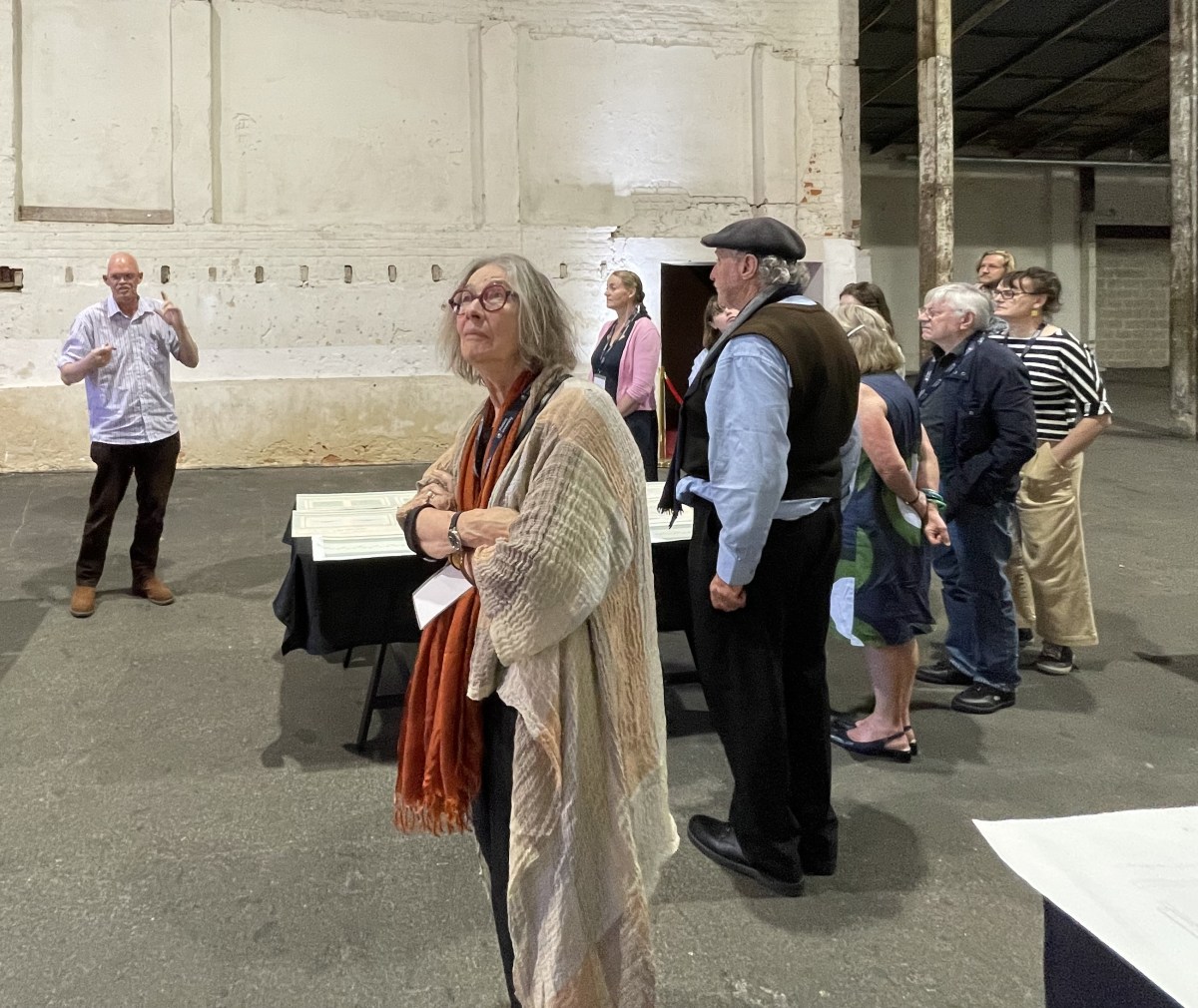
Sue-Anne taking a moment to admire the historic Queen’s Theatre, Adelaide, PAHN Working Group Day, 27 November 2023
I’m sure we join with all our members in offering our condolences to her family and our sympathies too to her closest friends and colleagues.
Her funeral service will be held on Friday 15 March at Sacred Heart Church, Cardinal Street, Mosman, Sydney. We understand that Sue-Anne’s family have provided some suggestions to people wishing to make a donation to acknowledge her special areas of interest and devotion:
Archives, Artists & Absences Monday 27 November — Friday 1 December 2023
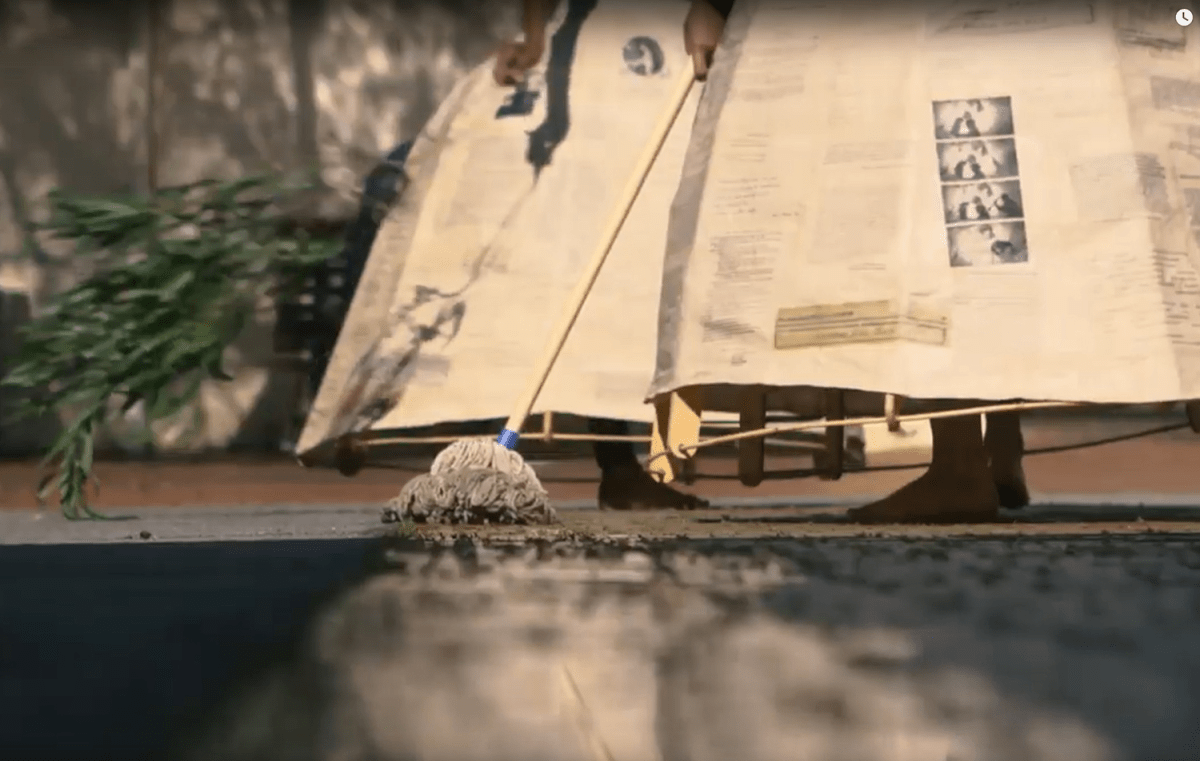
Image: ADSA 2023 Adelaide.
“What do we do with the undocumented, the erased, the redacted, the unrecorded, the disappeared, the crossed out, the burned out, the missing of it all?”
At the 2023 ADSA Conference, we grapple with what is missing, and what might never be found. We interrogate practices of forgetting and remembering, and the allure of anniversaries, as well as considering how we as artists, creators, and performers contribute to a living archive, while looking to the future of archives of performance.
The Performing Arts Heritage Network working group will be held on Monday 27th November at the Wall Gallery, Her Majesty’s Theatre, Adelaide, as part of the 2023 Australasian Association for Theatre, Drama & Performance Studies conference.
We are hosting three sessions: Australian Theatre Here and Abroad, Ausstage Takeaways and Asian Resonances with nine presentations and the PAHN AGM (all welcome).
Day Registration (for the PAHN WG or another single day of the conference) is $110 or registration for the full five day conference is $165-330. Full details including registration here.
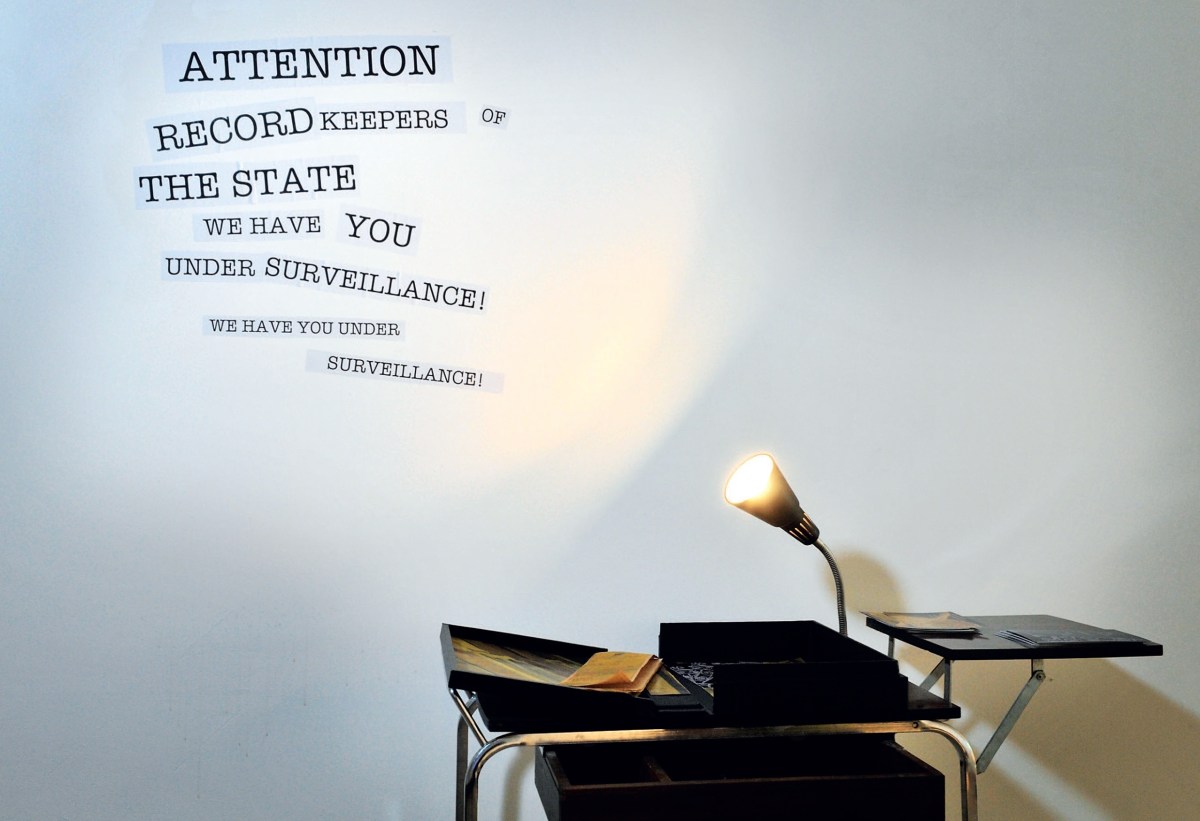
Natalie Harkin. “ATTENTION.” Archive-Fever-Paradox [2]. Fontanelle Gallery and Studio,Bowden,Adelaide,2014.Photo:DenysFinney.
The Performing Arts Heritage Network will meet and share 20-minute work-in- progress papers, with a particular focus on the intersection of history and heritage, in any material, format, genre, or level of society. Proposals should also reflect some engagement with the nature of collection(s), in line with the wider ADSA Conference call that is reproduced below. We also welcome proposals for panel discussions.
PAHN invites abstracts of 250 words responding to these questions, or other scholarly or creative provocations raised by ADSA’s conference theme, to be submitted via this form by the extended date Monday 31 July 2023. We invite proposals for 20-minute paper presentations, artistic research presentations, workshops and roundtable discussions, as well as any other formats that might suit the diversity of research and practice in our field.
To assist with travel and other costs, PAHN will award up to two bursaries of $500 each to presenters, based on the submitted abstracts.
Speakers wishing to record their institutional affiliation on their proposal are advised to select “Affiliated Scholar” when prompted. Other working groups will be meeting during the 2023 ADSA Conference, and further details can be found here.
PAHN WORKING GROUP
In convening this Working Group at the 2023 ADSA Conference, PAHN aims to revitalise its membership and stimulate debates on where performing arts collections and archives exist within the context of museums, universities, libraries, and other institutions. PAHN welcomes new, past, and existing members to join this working group; you do not have to be a member of PAHN to present.
Itiswhatthearchivedoesnotsaythattroublesmethemost...Whatdowedowith the undocumented,the erased,the redacted, the unrecorded, the disappeared, the crossed out, the burned out, the missing of it all? (Johnson 43-4)
Absences and gaps in the archive challenge our work as scholars and practitioners of theatre, drama, dance, and performance studies. Much of our research and creative practice lives in “gaps and empty spaces” (Taubert & Ablieovich 301), and seeks to fill them with informed speculation. How, then, do we enter the past – whether that past is minutes or millennia ago – while remaining sensitive to what has been lost, what has never been remembered, and what was deliberately forgotten? As we seek new orientations towards the past and new methods to record it, so too will archives change, especially those of artists that are “a receptacle of memory on the surface of the skin” (Bardiot 33).
Even then, the tattered remnants of the past both inside and outside the archive might never be enough – whatever our desire to reclaim them, and however powerful the tools we develop. Writing from Wiradjuri and Narungga standpoints, poet-scholars Jeanine Leane and Natalie Harkin describe the archive as “the assemblage of feelings, objects and stories we gather, and all that is unknowingly gathered around us” (52). While the archive has “a history of preservation so painstakingly maintained”, it also carries “a history of loss for all that is discarded and deemed abject, marginal, inferior and irrelevant to future memory” (Leane & Harkin 52). At this conference, we invite colleagues to grapple with what is missing, and what might never be found.
Thinking about documentation leads us to interrogate practices of forgetting and remembering, and the allure of anniversaries. In 2023, we mark 50 years since the award of the Nobel Prize in Literature to Patrick White, “arguably the most eminent of Australian writers” (Tsiolkas 9). This occasion leads us to ask how we might re-vision the legacy of this multiply-archived writer. It is also 21 years since the launch of the AusStage database. In AusStage, newly augmented with data from Theatre Aotearoa, we have access to the largest performing arts database in the world, with close to half a million records. This repository allows us to create distant visions that can challenge our local thinking. At the same time, AusStage reflects our research back to us, and so we invite interrogations of our role as builders and custodians of datasets, repositories, and archives.
We offer the following prompts and possibilities as starting points for thinking about and responding to this year’s conference theme:
What is the value, service, and function of the archive to performance history and to performance practice?
Where are the blind spots, the partialities, the shadows, the echoes in the archives, and what does this mean for our discipline?
What has been deliberately forgotten in the archive and the repertoire? How might the archive serve as gatekeeper or oppressor?
How do we as artists, creators, and performers contribute to a living archive?
How are we documenting and archiving our performance and scholarly practice in personal scrapbooks, photo albums, and desk drawers, and how might this complicate, decentre, or queer our view of the archive?
How do anniversaries and other periodisations help to construct archives?
How can the archive inform, interrogate, or complicate teaching and training?
What have we chosen to document, capture, and privilege in our practice as artists and as scholars, and what have we chosen to neglect, reject, or deem irrelevant?
How does the rise of AI and the development of the digital humanities inflect the future of datasets, repositories, and archives of performance?
Johnson, Odai. “The Size of All That’s Missing.” The Routledge Companion to Theatre and Performance Historiography, edited by Tracy C. Davis and Peter W. Marx, Routledge, 2020, pp. 43-65.
Leane, Jeanine, and Natalie Harkin. “When Records Speak We Listen: Conversations with the Archive.” Law’s Documents: Authority, Materiality, Aesthetics, edited by Katherine Biber, Trish Luker and Priya Vaughan, Routledge, 2021, pp. 51-70.
Taubert, T. Sofie, and Ruthie Abeliovich. “Dossier — Theatrical Vestiges: Material Remains and Theatre Historiography.” Theatre Research International, vol. 45, no. 3, 2020, pp. 297-302.
Tsiolkas, Christos. On Patrick White: Writers on Writers. Black Inc., 2018.
This year’s Australasian Association for Theatre, Drama and Performance Studies conference is in Adelaide and PAHN are participating with a working group.
PAHN Working group is joining this year’s ADSA Conference – call for papers.
The Call for Papers is now open on the theme ‘Archives, Artists & Absences’.
The PAHN Working Group will meet and share 20-minute work-in-progress papers, with a particular focus on the intersection of history and heritage, in any material, format, genre, or level of society. Proposals should also reflect some engagement with the nature of collection(s), in line with the wider ADSA Conference call.


 Performing Arts Heritage Network